Choosing the Right Filter: A Comparison of Diaphragm, Plate & Frame, and Belt Filter Presses
Industrial solid-liquid separation is a critical process in sectors ranging from mining and chemicals to municipal wastewater treatment. Among the most common technologies are filter presses, each with distinct advantages. This article explores the core strengths of three primary types: Diaphragm Filter Presses, Plate & Frame Filter Presses, and Belt Filter Presses.
1. Plate & Frame Filter Press
-
Key Advantage: Highest dryness of filter cake. It generates extremely high pressure, producing the driest solid cakes among the three, minimizing disposal weight and cost.
-
Best For: Applications where final cake dryness is critical, such as fine chemicals, precious metal recovery, or specialized waste.
2. Diaphragm Filter Press
-
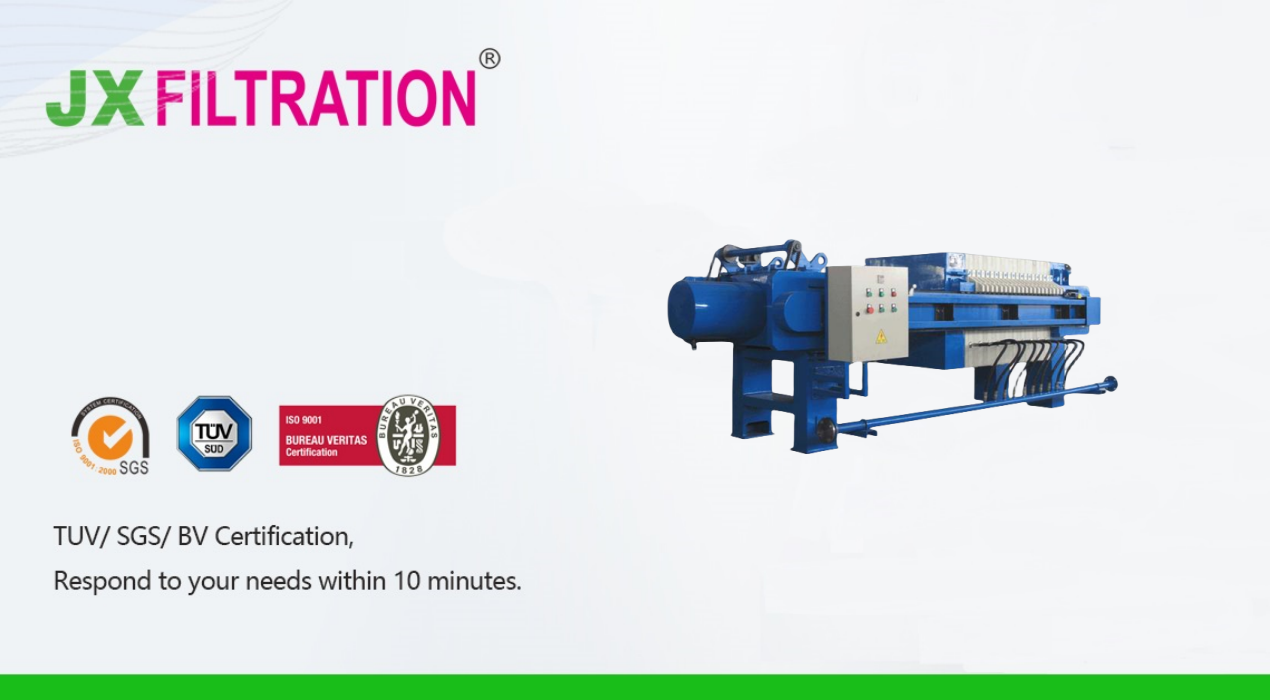
Key Advantage: Superior efficiency and flexibility. It adds a squeeze membrane to the plate and frame design. A secondary high-pressure squeeze after initial filtration further reduces moisture, significantly shortening cycle times.
-
Best For: High-volume processing where both cake dryness and operational speed are important, like municipal sludge or large-scale mineral processing.
3. Belt Filter Press
-
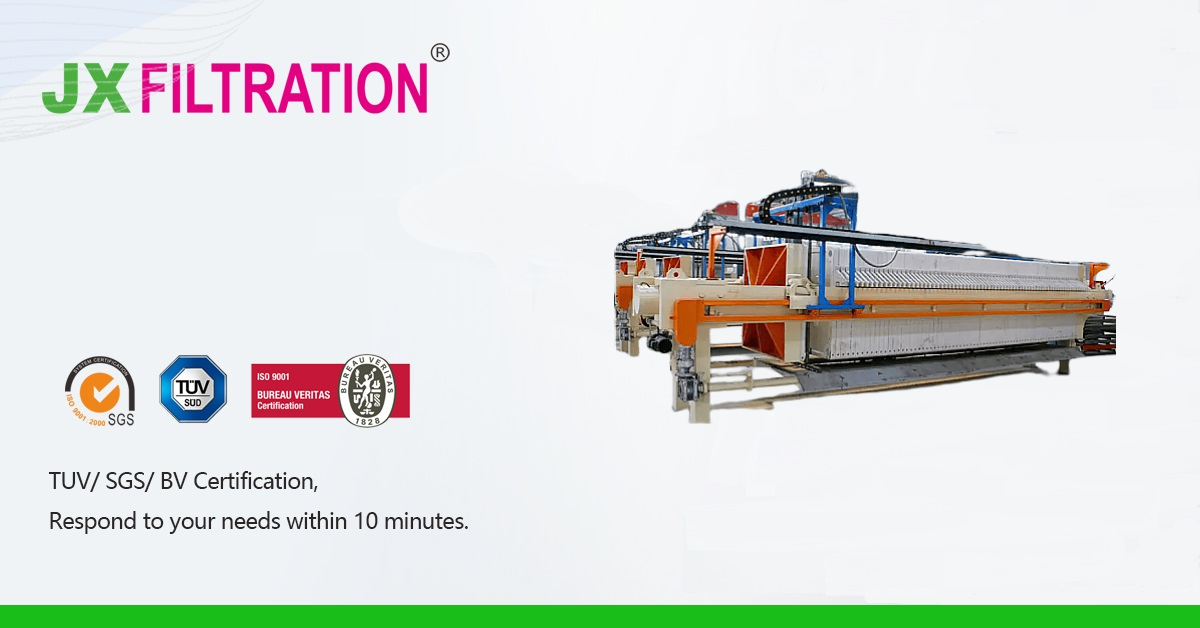
Key Advantage: Continuous operation and high throughput. It operates as a continuous conveyor system, allowing for non-stop processing of large volumes of slurry with lower energy consumption.
-
Best For: High-flow, lower-solid-content materials where continuous output is prioritized over ultimate dryness, such as in many municipal wastewater treatment plants.
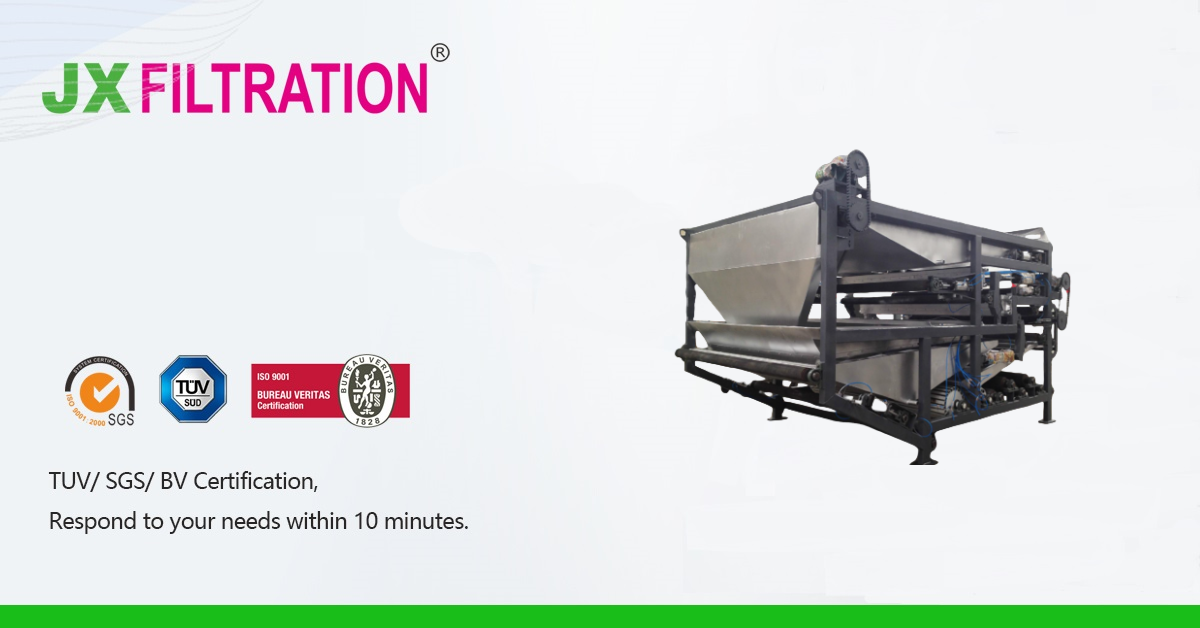
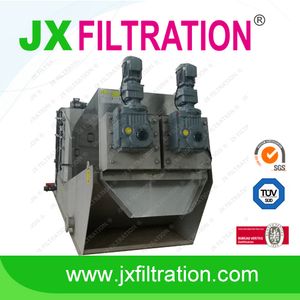
Summary: Choose a Plate & Frame for maximum dryness, a Diaphragm press for optimal balance of speed and dryness, and a Belt press for continuous, high-volume processing.
Any requirements, contact us now!
Grace
Email: grace@filtrationchina.com
Mobile/Whatsapp/WeChat: +86 17269571160