Optimizing Sludge Management: The Synergy of Screw Presses and Thermal Dryers
In modern wastewater treatment plants, effective sludge management is critical for operational efficiency, environmental compliance, and cost control. A highly effective strategy involves a two-stage process: initial mechanical dewatering using a screw press, followed by thermal drying. This combination transforms difficult-to-handle liquid sludge into a valuable, dry resource.
Stage 1: Mechanical Dewatering with a Screw Press
The process begins with sludge that is largely composed of water, containing a relatively low concentration of solid material. This liquid sludge is first conditioned with polymer flocculants, which cause the fine, suspended solid particles to bind together, forming larger, heavier masses known as flocs. This conditioning step is essential for preparing the sludge for mechanical separation.
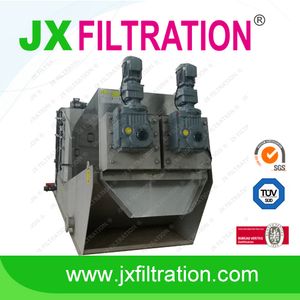
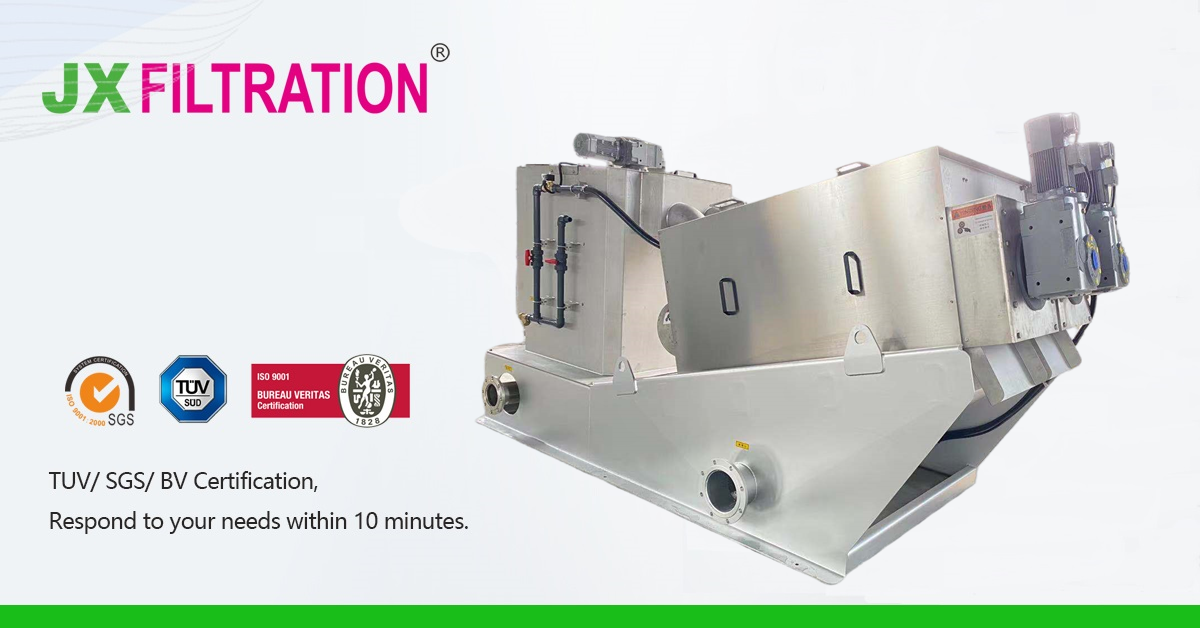
The flocculated sludge is then fed into a screw press. Inside the press, a slowly rotating screw conveys the sludge against a conical resistance mechanism. As the volume inside the machine decreases, pressure builds, forcing the free water out through a screened basket. This mechanical action effectively separates the water from the solids, resulting in a dewatered sludge cake with a significantly increased solids concentration. The primary advantage of the screw press at this stage is its high energy efficiency, as it removes a substantial portion of the water without the need for thermal energy input. It also offers simple operation and low maintenance requirements.
Stage 2: Thermal Drying
While mechanical dewatering is efficient, the resulting sludge cake often still contains enough moisture to be biologically active, heavy, and costly to dispose of. To address this, the sludge cake is transferred to a thermal drying system.
In the dryer, the sludge is subjected to controlled heat, typically using steam, thermal oil, or hot air. This thermal energy evaporates the residual water, converting the sludge cake into a dry, stable, granular material. The drying process dramatically reduces the overall volume of the sludge and creates a uniform, pelletized product.
Benefits and End Uses
The combination of a screw press and a thermal dryer offers transformative benefits. The most immediate advantage is a drastic reduction in sludge volume, which directly translates to lower transportation and disposal costs. Furthermore, the high temperatures achieved during the drying process eliminate pathogens, producing a sanitized, Class A biosolid that is safe for beneficial reuse. The final product is also stable, odorless, and non-putrescible, making it easy to store and handle.
This high-quality dried sludge has several valuable applications. Its significant calorific value allows it to be used as a renewable fuel substitute in cement kilns, industrial boilers, or power plants, offsetting the use of fossil fuels. Alternatively, it is rich in nutrients like nitrogen and phosphorus, making it an excellent soil amendment or slow-release fertilizer for agriculture and land reclamation, provided it meets local regulatory standards.
Factors Influencing Efficiency
The overall efficiency and success of this dewatering and drying process are influenced by several key factors:
-
Sludge Characteristics: The composition of the incoming sludge is paramount. Sludge types vary; for instance, waste-activated sludge (biosolids) is often more difficult to dewater than primary sludge because it holds water within its biological cell structure.
-
Feed Consistency: Maintaining a consistent and homogeneous feed to both the screw press and the dryer is crucial. Fluctuations in sludge concentration or volume can destabilize the process and affect final product quality.
-
Process Control: Precise control is essential at every stage. This includes optimizing polymer dosage for effective flocculation and carefully regulating the dryer's temperature and residence time to achieve the desired final dryness without damaging the material.
-
System Integration: The two processes must be designed to work in harmony. The performance of the screw press directly dictates the workload of the dryer. If the screw press produces a wetter-than-expected cake, the dryer's throughput will decrease, and its energy consumption will increase, potentially compromising the entire system's efficiency and final output.
Any requirements, contact us now!
Grace
Email: grace@filtrationchina.com
Mobile/Whatsapp/WeChat: +86 17269571160