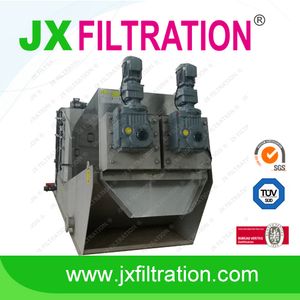
Right-size Sludge Dewatering Press for US Recycled Paper Mill
📍 USA · 📜 Paper Manufacturing · 📦 Sludge Dewatering Press
Every sludge dewatering project is a process of repeated testing, adjustment and precise matching — this US recycled cardboard mill case fully shows how we tailor solutions to match real on-site conditions step by step.
The Customer & Core Trouble
A 100% recycled cardboard plant in the US runs a fully closed water circulation system, with no way to discharge sludge impurities out of the loop. Their sludge contains sticky adhesive residues; the plant originally planned to haul all wet sludge off-site for disposal, which brought high transport costs and heavy environmental pressure.
Basic sludge parameters
- Raw sludge flow: 1,800 gallons/h (43,200 gallons/day)
- Incoming solid content: only 0.7%
- Target cake solid content: ≥20%
- Required dry solids handling: ~50kg per hour
- Preferred material: 304 stainless steel
The Twists in Solution Design
Step 1: Initial model recommendation
-
Turnkey integrated skid-mounted unit
All core accessories (polymer dosing system, feed pump, sludge transfer pump, pipes & valves) are pre-installed on one skid. Clients only need to connect water & power after delivery, zero complicated on-site assembly.
- Standalone 351 main machine
Client purchases auxiliary equipment locally. Cuts upfront budget slightly, but requires extra labor & time for pipeline installation and debugging.
Step 2: Demand adjustment — Half-volume trial run
Step 3: Flocculant test reversed the final model choice
- Dilute liquid polymer to 1.5%-2.5% with clean water via mechanical pumps to activate molecular chains;
- Use a metering pump to automatically proportion and mix polymer with sludge inside the press’s agitating tank;
- Test multiple local flocculant brands to screen the optimal formula.
Project Outcome
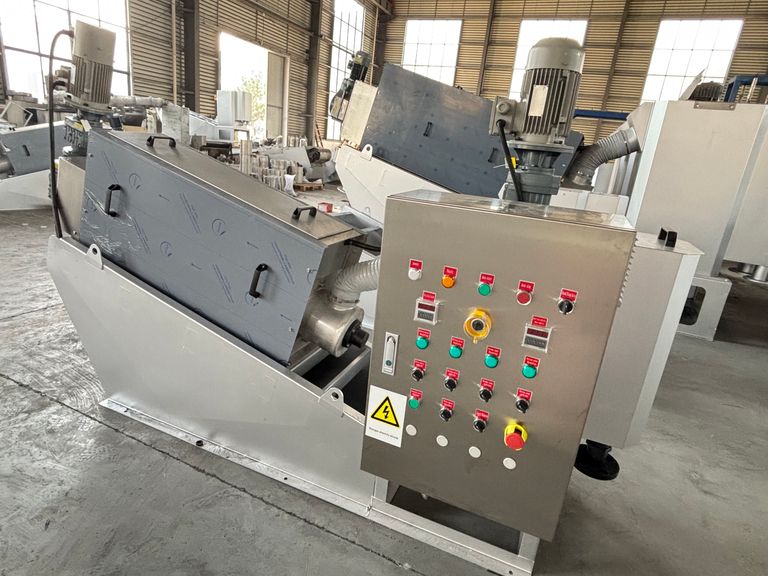
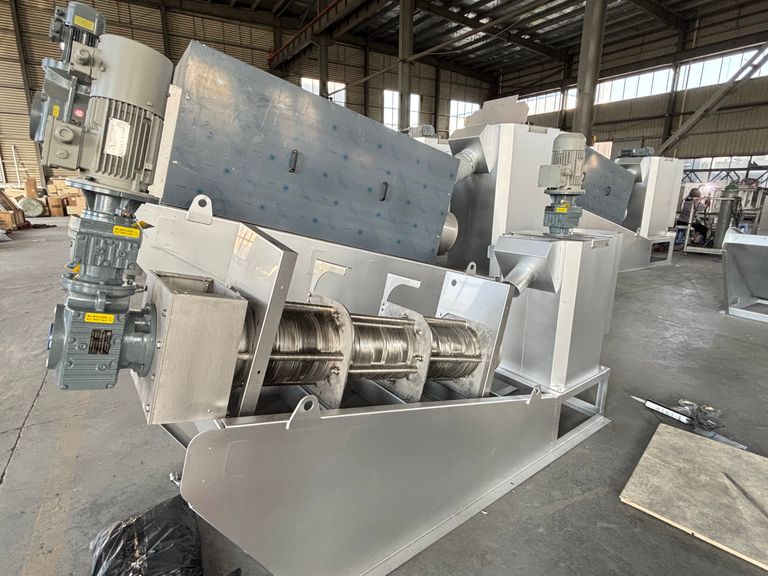
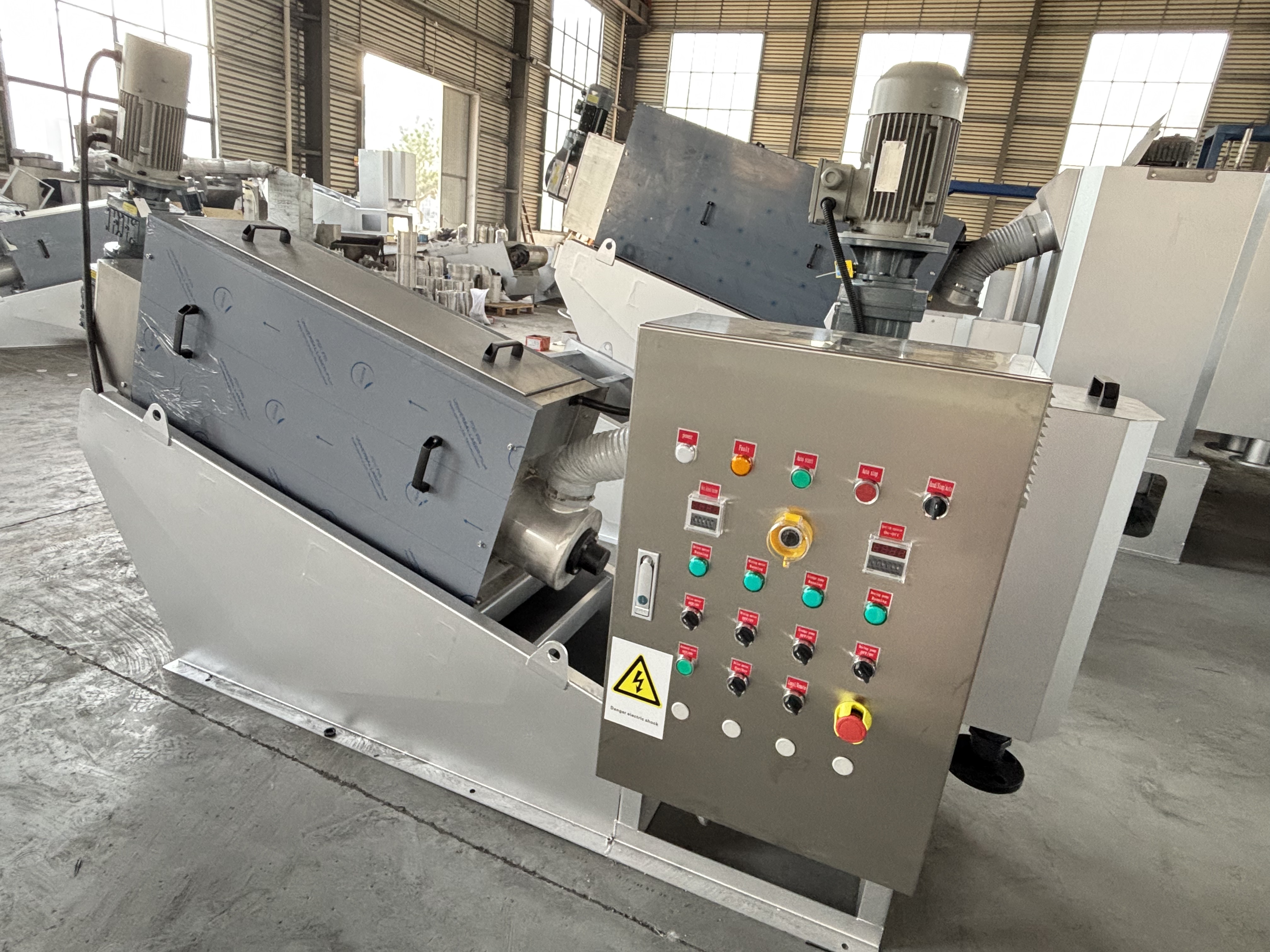
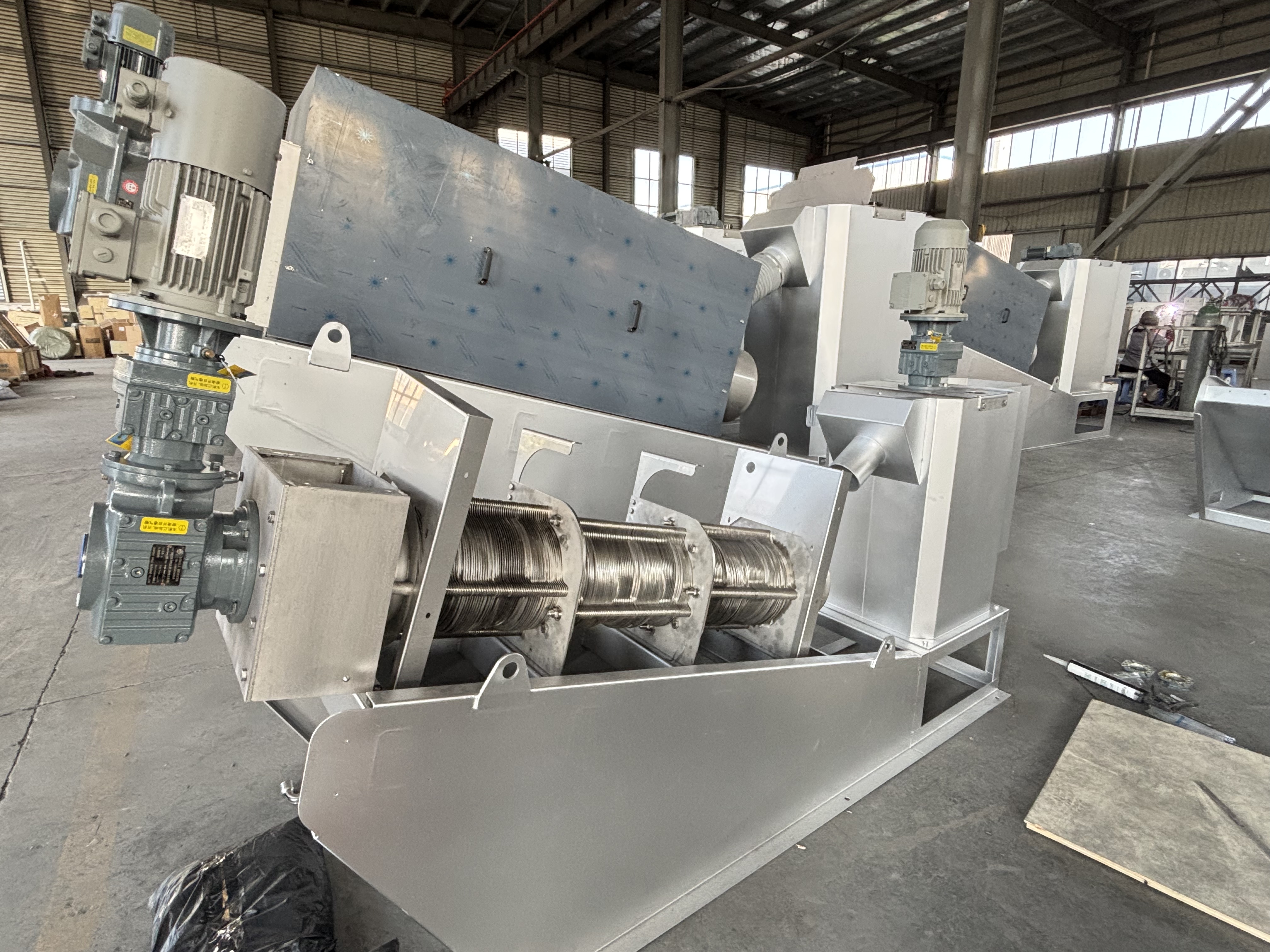
The SS304 Model 351 Sludge Dewatering Press has finished manufacturing and is now en route to the US paper mill.
Our equipment will lower sludge moisture to around 70%, deliver crystal clear separated water, and greatly cut the solid waste volume for cheaper off-site transportation. After commissioning, the mill’s closed circulating water will see a dramatic drop in suspended solids, solving their long-standing impurity accumulation headache.
Full transparent service workflow
- Client submits sludge index & closed-loop water system background
- We calculate throughput & provide two equipment deployment plans
- Client adjusts capacity demand for trial operation, switch to Model 251 proposal
- Guide flocculant dilution, mixing and comparison testing
- Flocculation test passes, finalize Model 351 SS304 unit
- Complete production & arrange international shipment